Quebracho Colorado
Its characteristics and processes
The value of Quebracho Colorado
Its tanning properties were identified in 1867, when the French tanner Emilio Poisier recognized the technical potential of this native species. From that discovery, Quebracho extract began to establish itself as a key input for the leather industry.
Towards the end of the 19th century, Quebracho extracts were already being exported to Europe and, over time, became the most widely used vegetable extract worldwide.
During the 20th century, scientific research significantly expanded its applications. Today, Quebracho tannins are part of a wide range of industrial and food uses, thanks to their chemical properties and versatility.
Quebracho extract is a mixture of polyphenols obtained by aqueous extraction from the heartwood of the tree, native to the South American Chaco.

Main functional properties:
- Natural tanning capacity.
- Natural astringent power.
- Antioxidant properties.
- Antimicrobial activity.
- Flocculant and coagulant properties.
- Biodegradability.
- Low environmental impact.
- Improvement of mechanical properties in materials.
- Reduction of heavy metals in aqueous systems.
- Optimization of industrial processes.
- Reduction of microbial load.
- Microbiota modulation (animal nutrition).
- Reduction of methane emissions (feed additives).
Quebracho extracts continue to expand through research and innovation.
Extracts and processes
The scientific basis of Quebracho
Quebracho Colorado tannins are a source of polyphenols with high functional value, widely studied for their chemical behavior and their adaptability to different industrial processes. Their main characteristics include:
Catechinic origin
Wide molecular range
High chemical reactivity
Controlled composition
Low sugar and acid content, which improves the stability and performance of the product.
Durability and resistance
High stability against hydrolysis and resistance to the action of microorganisms.
Thanks to these properties, Quebracho extracts can be transformed through different processes to obtain products with specific characteristics, adapted to the requirements of each industry.
At UNITÁN, technical development allows us to offer reliable, consistent extracts with multiple application possibilities.
Environmental Policy
Responsible management of the environment
At UNITÁN, environmental management is part of our way of producing.
We comply with all current forestry regulations and work systematically to strengthen responsible management practices.
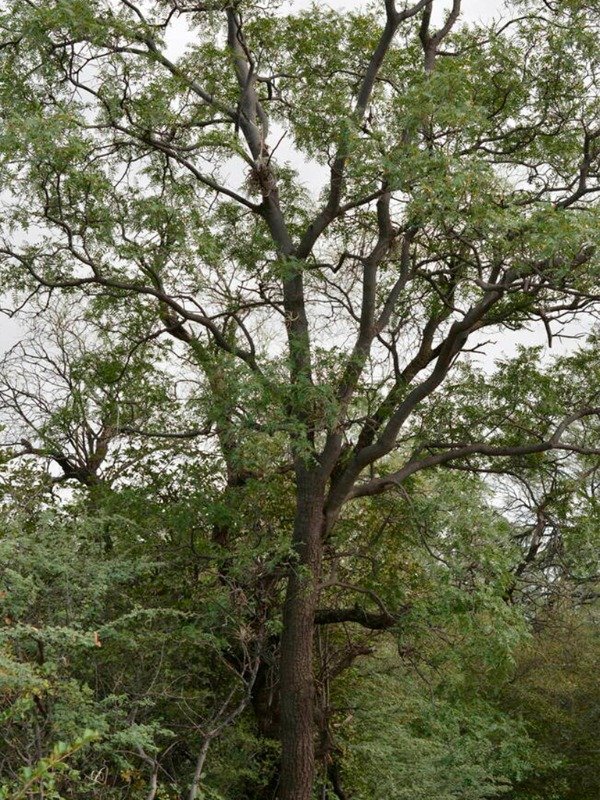

Environmental, Forestry and Social Management Plan
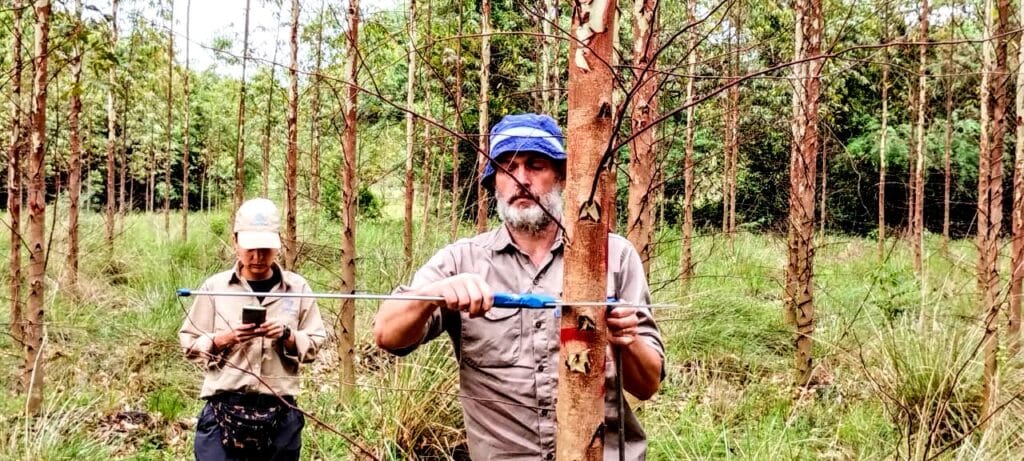
We currently have 3,000 forested hectares and more than 4.5 million trees between Chaco and Formosa, mainly Quebracho Colorado and Eucalyptus varieties.
Carbon certification
Our first project is certified by VERRA under the VCS standard (Project ID 2610), enabling the generation of Verified Carbon Units (VCU). Currently, we have a second project listed under the VCS standard (Project ID 5842).
This certification recognizes the removal of greenhouse gases associated with UNITÁN's forestry project, with an estimated sequestration of over 330,000 tons of CO₂.
This achievement positions UNITÁN as a pioneer in environmental restoration and forestry management based on native species.
The carbon credits generated by these projects reflect the positive impact of UNITÁN's forestry management.
Sharing and spreading knowledge
At UNITÁN, we believe in the value of knowledge exchange.
We maintain constant communication with clients, distributors, and partners, generating a technical and commercial dialogue that drives continuous improvement.
We are part of an international network dedicated to the research and development of plant extracts, sharing experiences, studies, and advances with institutions and specialists from different countries.
Spreading knowledge is part of our way of growing and expanding the application opportunities of this strategic raw material.